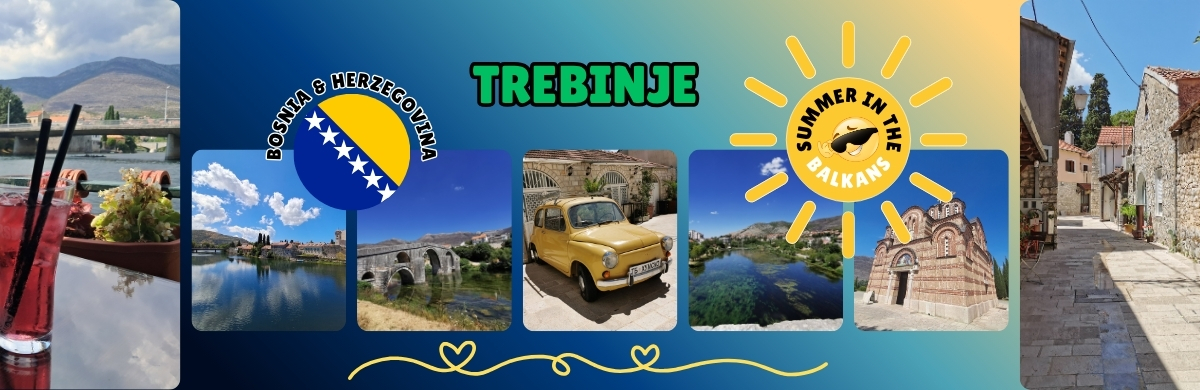
Our fifth and final Balkan stop was Trebinje, a lovely, quiet town in Bosnia and Herzegovina near the borders with Croatia and Montenegro.
Recommended by a friendly acquaintance I used to bump into in Riga, who has now moved to Croatia. Trebinje turned out to be a gorgeous gem. Thank you, Milanka.
Getting to Trebinje from Kotor
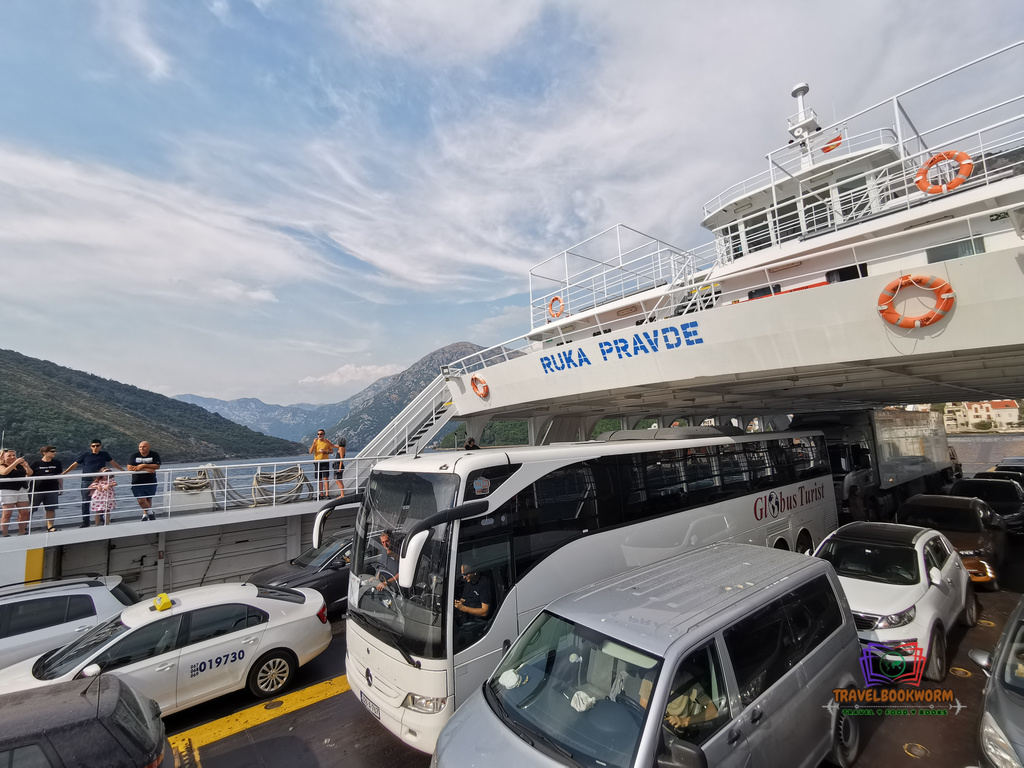
We travelled from Kotor with Globus Turist. The bus was delayed by about an hour and thirty minutes, and the total journey, including a short ferry crossing where passengers could step off to stretch (and yes, neither the ferry nor the bus had a toilet, in case you’re wondering) — took 2 hours and 33 minutes.
At the border, we all had to disembark to clear immigration, and because the bus was full, the process took a while.
Accommodation in Trebinje
Our Airbnb hosts, Mai and Raivo, an elderly Estonian couple who settled in Trebinje, picked us up from the station. They were friendly and informative, gave us a quick tour, and even drove us up to the Byzantine‑style church on our checkout day (we checked out late at 3:30 pm).
The stay cost €166 for four nights, and the apartment felt perfect for both short and long stays. It had everything we needed: a washing machine, oven, microwave, iron, clothes‑drying rack, cutlery, pots and pans — the lot.
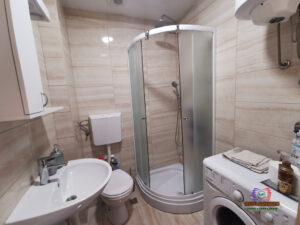
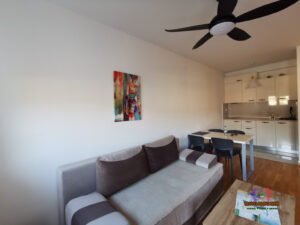
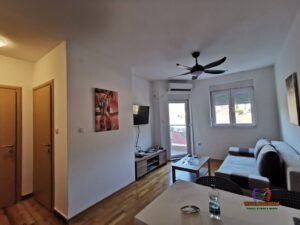
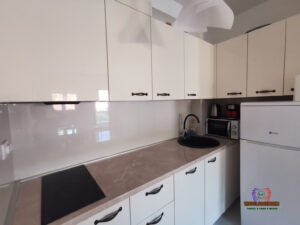
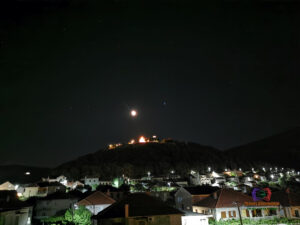
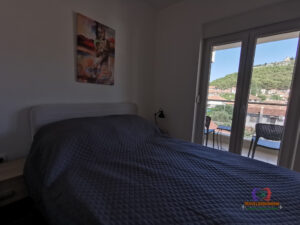
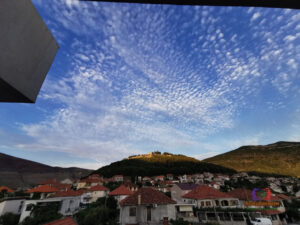
The neighbourhood was quiet, with a convenience store just downstairs, and the apartment itself was comfortable with a lovely breeze on the balcony overlooking Hercegovačka Gračanica Temple and the surrounding hills.
The only thing to note is that the unit is on the fourth floor with no elevator — not that we’re unused to it, given our flat in Riga is the same.
Four Things to Do in Trebinje
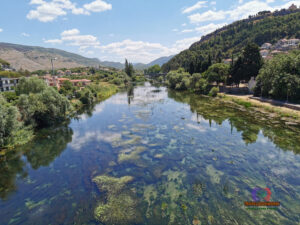
Walk Along the Trebišnjica River and Visit the Arslanagić Bridge
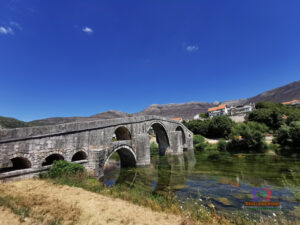
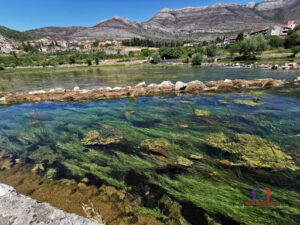
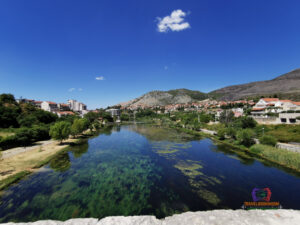
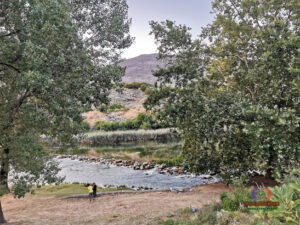
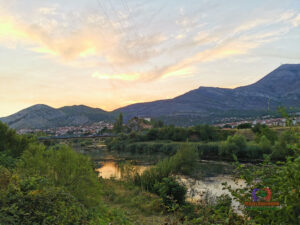
A short 10‑minute walk from our Airbnb, the historic stone Arslanagić Bridge spans the calm, clear Trebišnjica River. It’s a peaceful, scenic spot ideal for a relaxed stroll and photos. The Arslanagić Bridge, also known as the Perović Bridge, is a beautifully preserved 16th‑century stone arch bridge.
Built in 1574 by Grand Vizier Mehmed Pasha Sokolović in memory of his fallen son, it is best known for surviving a complete stone‑by‑stone dismantling and relocation in the 1970s to prevent it from being submerged by a new dam.
Visit Hercegovačka Gračanica Temple
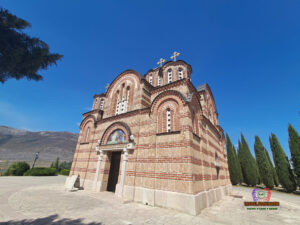
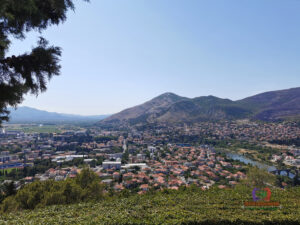
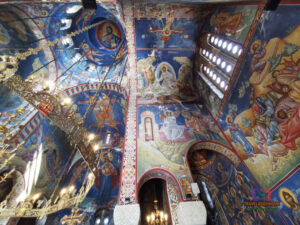
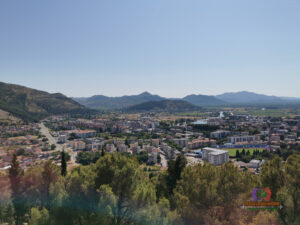
Perched on Crkvina Hill, this modern temple (completed in 2000) was built to honour the poet Jovan Dučić and is modelled on the 14th‑century Gračanica Monastery. From here, you get panoramic views of Trebinje and the river below.
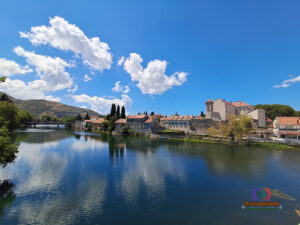
Wander the Old Town (Stari Grad)
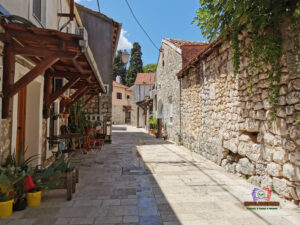
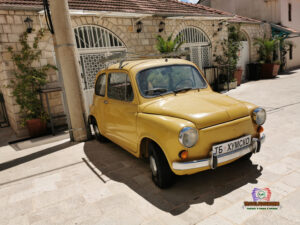
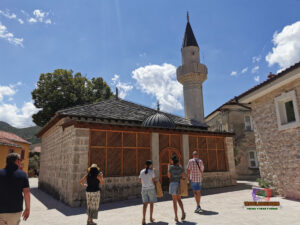
The compact Ottoman‑era old town is calm and atmospheric — perfect for a slow wander without the crowds you find in busier tourist hubs.
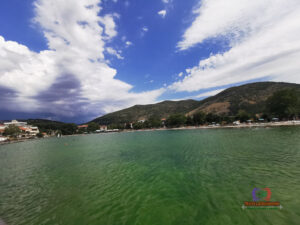
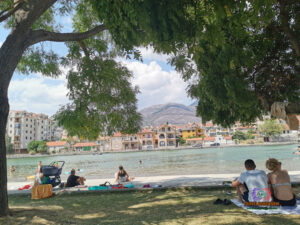
Bazen Bregovi (public pool)
Recommended by our hosts, this “public beach” uses river water that flows through the pool system to keep it fresh. Facilities include a cafeteria, children’s playground, toilets and changing rooms. The setting with mountain views is lovely and family‑friendly.
Food and Drink Highlights
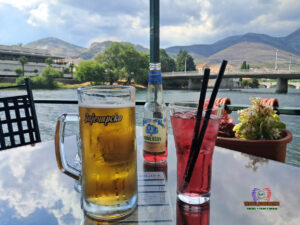
- Kafe Veslački Klub — Our favourite spot on the river. This floating café/bar is ideal for long, lazy afternoons watching ducks, kids on kayaks, and locals jump off the bridge. Drinks were affordable (about 4.50 KM for a 0.5 l pint; Somersby 4 KM).
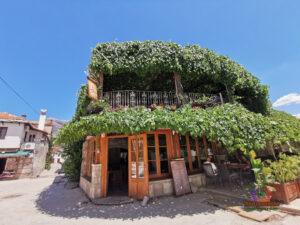
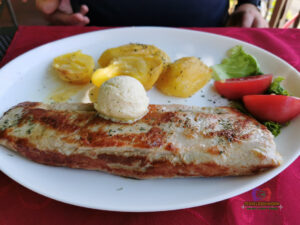
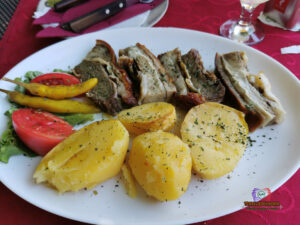
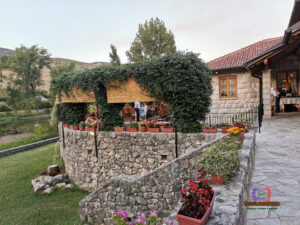
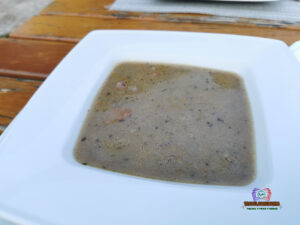
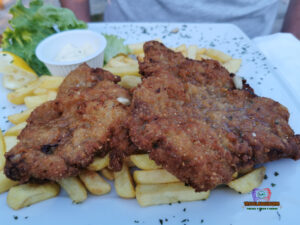
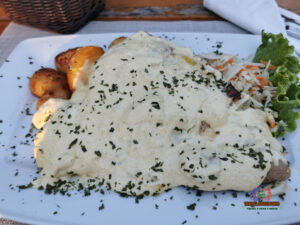
- Restoran RAS — A cosy find in Stari Grad, shaded by grapevines and very atmospheric; our meal cost 62 KM.
- Restoran Kukurića Vrtovi — Recommended by our hosts and about a 20‑minute walk from the apartment. Busy and lively (we visited during a wedding); dinner was 75 KM plus a small tip; card payments accepted.
Money and Other Info
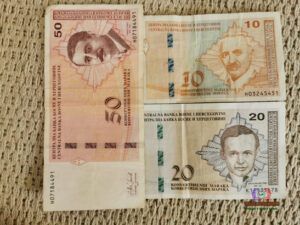
The official currency is the Bosnian Convertible Mark (BAM / KM), but euros are widely accepted in Trebinje. If you pay in euros, you’ll often receive change in BAM, so for the best value, withdraw local currency from an ATM or use a card where possible.
You may notice a flag similar to Serbia’s flying locally — that’s the Republika Srpska flag; Republika Srpska is one of the two political entities within Bosnia and Herzegovina.
Leaving Trebinje
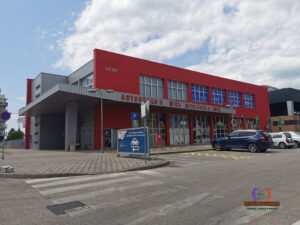
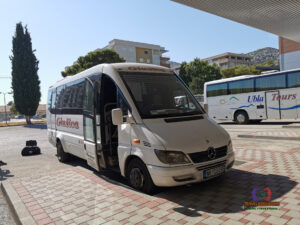
We bought our bus tickets at the counter the day before for 17 KM each to Nikšić, and were told to change there for Podgorica. When the bus arrived, I noticed a Podgorica sign and asked if we could continue; the driver said yes for an extra €3.50 each! The bus left at 16:30 and reached Podgorica at 19:30, which was very convenient since we didn’t have to transfer.
Final Thought
Trebinje is a peaceful, charming town, perfect for winding down after long travel. Quiet streets, riverfront cafés and friendly hosts make it a place you’ll want to linger in; we stayed four nights and could easily have stayed longer.
As for my whole experience in the Balkan region, after visiting Albania, North Macedonia, the Republic of Kosovo, Montenegro and Bosnia and Herzegovina, I can honestly say the Balkans are beautiful, hot in the summer and absolutely worth visiting.
Each country has its own signature. From a dramatic bay to quiet and clear river towns, from lively capitals to peaceful mountain towns, they all share a sense of warmth, history and authenticity that stays with you long after you leave.
If you ever find yourself curious about this part of Europe, go spend some time in the region and judge for yourself. It’s a journey that rewards you with scenery, stories and moments you’ll remember for years!
Travel Date: 16th – 20th July 2025